Showing posts with label nighttime cloth diapering. Show all posts

Super Undies - Our Nighttime Saving Grace {Potty Training}

When I began our potty training adventures this second time around, the one thing I worried about was staying dry at night. My son was very good about staying dry when he was younger. In fact, after 18 months he would wake up with a dry diaper 5 out of 7 nights. Sometimes even more.

When we potty trained the first time we had no issues. He stayed dry all night and woke up from naps sweaty but again, no accidents.

But since he had worn Pull Ups at night and during naptime after his regression, we needed to figure out a solution to getting him back on track in controlling his need to go when he was in a deep sleep. Our solution to our night-time dilemma was Super Undies!
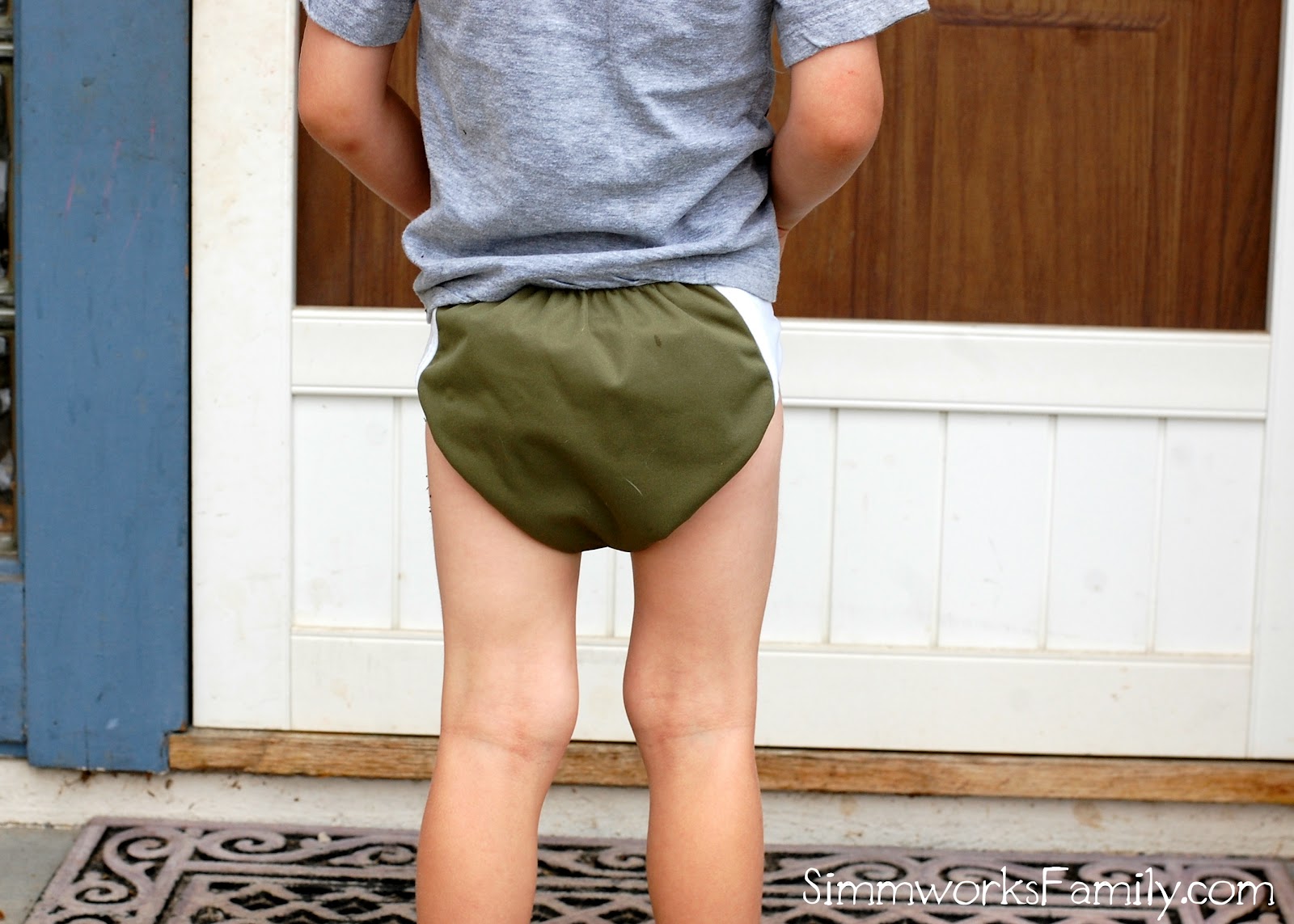

What are Super Undies?

Like cloth diapers, Super Undies have an inner layer of microfiber cloth to allow for little accidents to be absorbed and not get the sheets and clothes wet. If extra protection is needed, Super Undies also has a removable insert to place inside the trainers like a pocket diaper.

There are two types of daytime use Super Undies, the Pull On Potty Training Pants and the Pocket  Potty Training Pants. To learn more about the differences of the two watch each of the videos shown on the website (links above).

For most people, Super Undies are the perfect green solution to potty training pants. Instead of going for the disposable trainers, you would simply purchase a set of Super Undies to use until your little one got the hang of holding it in and waiting to get to the toilet.


They are super easy to pull up and down, just like underwear, but don't have as much bulk as a cloth diaper. They're also a heck of a lot more stylish than the plastic pants I've been handed down by relatives.

And they're simple and easy to wash. Since these aren't diapers and aren't meant to hold in a lot of urine, they can be washed in what you wash your undies with. I simply throw our Super Undies in with the darks or the towels... whichever needs to be done first.

Super Undies come in a variety of colors. I had my son help pick out the color of his and got him involved in knowing exactly what they were for and how they were just for emergencies. 


Nighttime Potty Training Solution

Since we already have daytime potty training covered, and have continued to use underwear, the only time we needed a little extra reassurance is night time when my son occasionally still has an accident when he either wakes up too late or doesn't make it to the bathroom in time in the morning and has an accident on the carpet outside of the bathroom (or next to his bed).

For the first two months after he was trained we had him wear his Super Undies to bed for an added sense of reassurance. He felt better because he knew that even if he didn't make it in time, he wouldn't make a mess everywhere. And we were happy because we don't have to change his sheets as often.

Because the Super Undies have a removable insert, you can decide whether or not to add in more absorbency or leave the insert out. Either way, you're saved from having to clean up the messes accidents leave behind.

Super Undies also has a pair Nighttime Undies if you need a little more protection.


The Investment
At a reasonable base price of $19.95, and a potty training kit starting at $125, you can purchase all of the Super Undies you need for the cost of less than 5 months worth of diapers or disposable trainers How's that for savings?

Even if you're only looking for a night-time and nap-time solution, Super Undies are a safe bet! And I'm fairly certain that potty training would have been a heck of a lot easier had we invested in Super Undies before trying Pull Ups. I think a lot of frustration and miscommunication between myself and my son could have been avoided.

You can purchase Super Undies on their website here. Or if you're looking to purchase locally, check out a list of their retailers here.

The Noise Girls have yet again put together an amazing giveaway event just for your family! The For the Family giveaway event starts on September 1st so please remember to hurry back and enter for your chance to win.

And Super Undies has joined in on the fun to offer one lucky reader a pair of Super Undies in this giveaway. Head on over and like them on facebook or follow them on twitter to stay up to date on new products and promotions!

Disclaimer: I received a pair of Super Undies for review purposes only. Regardless, I only recommend products or services I use personally and believe will be good for my readers. 

Washing Wool {Cloth Diapering Tips and Tricks}


Wool covers can be a bit intimidating at first. But once you start using them I'm sure you will start to love this amazing fabric. Not only is it absorbent, it's breathable as well. I love using wool covers at night to reduce the chance of any irritation or redness on my children's legs due to PUL covers. I do have to admit that I was quite scared to wash them when I received my first wool soaker in the mail. I was scared that I'd somehow ruin it and I would have spent a lot of money on nothing. But I followed the directions I was given very carefully and have never looked back!

So once you add a piece of wool (or two or five) to your collection, the first thing you'll need to do is learn how to properly clean it. The best part about cleaning wool is that, at most, you'll only have to wash it once a week. I actually go every 2-3 weeks with my wool since I switch two covers every other night. But you can definitely tell when it's time for a washing.

You'll need a few basic supplies for washing your wool diaper covers:

Sink, pot or bucket: We like to use a large pot for one item, but for more wool items you'll need to use the sink (or a large 5 gallon bucket).
Water: You will need warmish, but not hot water to clean your wool without shrinking or felting.
Wool soap: Liquid or solid, you choose! We have both liquid wool wash and a wool wash bar.
Towel: We use a bath sized towel. Choose an older one in case any color bleeds out of the wool.

Here's how to get started:
  • Rinse your wool covers in cool water and gently squeeze out excess water. This will remove any urine salts in the wool that will dry the fibers and retain odor.
  • Fill your sink, pot or bucket with tepid (not hot or boiling) water.
Now for the soapy part
      • If using liquid wool soap, add about a teaspoon to about 1 quart of water. Use approximately 1 tsp and 1 qt of water for each item when washing multilple items together.
      • If using a bar wool soap, lightly lather the bar under the water as you fill the basin.
      • Gently move the water in and around the wool in the sink for 1-2 minutes.
      • Soak your wool diaper cover for 10-15 minutes, without any further agitation. The wool wash will work on its own without your help.
      • Watch your wool in case of bleeding color. If your wool diaper cover is bleeding color you may want to shorten the soaking time.
      And the drying part
      • Drain the water from the sink and gently squeeze some of the water from your wool diaper cover. Be sure to handle it carefully, supporting all of its weight. Don't let any parts dangle.
      • Refill the sink with cool water and place the wool diaper cover into the clean water to rinse. This will remove soap residue and any grime that didn't go down the drain.
      • Drain the water again and let the diaper cover drain in the sink after the water is all out, or move the diaper cover to a colander.
      • Gently squeeze the diaper cover to remove additional excess water.
      • Carefully place your wool diaper cover on the towel, roll it up into the towel and press to remove excess water.
      • Lay the wool diaper cover out flat on a screen or another towel, shaping it gently back to its original shape and let it air dry.

          Once your cover is completely dry you can start to use it again. It's as simple as that! And some say that they've had success using their washing machine to wash their wool (not the crochet or knitted stuff!) however I haven't been brave enough to try yet. Now start shopping... if you've already begun cloth diapering then I'm sure you are already addicted to purchasing the diapers. Just wait till you see what wool options are out there! Dangerous. But only for your bank account.

          Source: Zany Zebra Designs, Pinstripes and Polkadots

          Nighttime Cloth Diapering - What Works Best?

          Night time cloth diapering is a bit different than daytime diapering. One big similarity is that there are many options out there and a diapering combination might work well for one baby but might not work at all for the next. Below are a few things to consider when looking for a night time cloth diapering system.

          2.5 months old with a fluff butt

          Absorbency 
          A diaper that allows you to increase the amount of inserts or soakers is something you will want to consider. By being able to control the level of absorbency in your diaper you will have more success in staying dry through the night. Two different types of diapers that I know work well for this are fitteds and pocket diapers. The big difference between the two is that you will need a cover to go over your fitted diaper but won't need one for the pocket.

          Fit 
          Some moms and dads choose not to cloth diaper at night because when they do find a good night time diaper it ends up being so bulky and large that no pajamas fit over their little one's tush. More than likely they were using a pocket diaper. Being able to stuff a pocket diaper enough to cover your absorbency needs can lead to big fluff butt. But if you don't mind a little more junk in the trunk that by all means try your favorite pocket with another insert or two. A fitted diaper may require a cover but it does leave a more trim tush even if you add in a few more soakers.

          To see my son in his nighttime diaper cuteness when he was an itty bitty check out this blog post.

          Inserts/Soakers/Doublers
          First let me start out by defining the three items I mentioned above. Then we'll get to what material you can choose to use with each.

          Inserts
          Pocket Cloth Diaper Inserts are several layers of absorbent fabric sewn together in a long, trim shape that slip in between the outer waterproof layer & inner stay-dry layer of a pocket cloth diaper. Without the insert, a pocket cloth diaper is not absorbent at all.

          Soakers
          The term soaker is used for two different things. First, this word refers to the middle layer of the diaper. Often this layer is made of a different fabric than the rest of the diaper, one that is more absorbent. The term soaker is also use in reference to wool or polar fleece diaper covers. Unlike other diaper covers, wool and polar fleece are water resistant, rather than waterproof. They do allow some wetness to wick through from the diaper but still manage to keep babies' clothes dry.

          Doublers
          This term is often used interchangeably with liners perhaps because they do overlap from time to time. Doublers are thick rectangular pads that can be inserted between your baby's bottom and the diaper to provide extra absorbency. These are great for heavy wetters or for night-time use.

          Material
          The material that your  is made out of will have a lot to do with its absorbency and how many inserts you will actually need. The most common insert material used is microfiber. And while microfiber is very absorbent it can be a bit bulky. Below is a breakdown of the different options for your inserts.

          Microfiber
          A polyester blend fabric that can hold 3-4 times its own weight in liquid. Microfiber is also quick-absorbing & inexpensive, making it a great option for diaper inserts. One microfiber insert is usually enough for a young baby. Around age 6 months, you may find that your child requires 2 microfiber inserts.

          Hemp
          Another popular fabric used to make pocket diaper inserts. Hemp is even more absorbent than microfiber, and is even more trim. Hemp is also a natural fiber that resists mold & bacterial growth naturally. Hemp is a great diaper insert choice for a heavy wetting child.

          Microfiber & Hemp inserts can also be used simultaneously when extra absorbency is needed. Place the microfiber insert on top of the hemp insert and then put both inserts into the pocket diaper. Many parents find this to be the perfect solution for their children because they get the Benefit of quick-absorbing microfiber plus the super absorbency of hemp.

          Prefolds
          Both cotton & hemp prefolds can be used as inserts for pocket diapers as well. Cotton prefolds can usually provide enough absorbency for a regular to moderately heavy wetting child. Hemp prefolds are necessary for super heavy wetters and toddlers during long periods between changes such as nap time and over night.

          You know you have to go up a size when...

          Breathability
          The breathability of your night time cloth diaper has more to do with your diaper cover if you are using a fitted diaper. There are a few options for cloth diaper covers out there. And I'm familiar with two. Covers made out of PUL and wool covers. And the cover that breathes the best? Wool. Hands down. But some people prefer a PUL cover because if you have a nighttime pooper the PUL will keep it in and wool wont. Plus some people are a little intimidated by washing wool. You can't just throw wool covers into a washing machine or dryer. I'll be covering that in an upcoming post!

          My favorite nighttime diapering solution: 
          For my son - the heavy wetter
          A bububebe fitted diaper with all 3 soakers snapped in
          An Artsy Fartsy Foo Foo hemp insert
          A Sustainable Babyish wool soaker (or longies in the winter)

          For my daughter - not so heavy wetter
          A bububebe fitted diaper with 2 soakers snapped in
          A Sustainable Babyish wool soaker (or longies in the winter)

          Don't have the money to invest in these items? Buy them used on a variety of forums including Spots Corner, Swap Spot and Diaper Swappers. And don't forget your local Craigslist! You might find local cloth diaperers that might want to swap and trade with you.

          Do you have an awesome nighttime solution? What is your tried and true combination?

          Sources: The Diaper Pin, Cutie Tooties